A Joyor electric scooter costs more than its purchase price—but charging, maintenance and everyday riding costs may be lower than you expect. Here is how to estimate what a year of ownership could look like.
The Short Answer: Your Riding Routine Determines Your Costs
There is no single annual number that fits every Joyor rider. A scooter used for occasional weekend rides will have very different costs from one used for a daily commute.
| Rider Type | Typical Annual Distance | Main Cost Drivers |
|---|---|---|
| Occasional rider | 500–1,000 km | Storage, basic checks and optional accessories |
| Regular commuter | 1,500–3,000 km | Charging, tyres, brakes and routine maintenance |
| High-mileage rider | 3,000 km+ | Wear parts, professional servicing and long-term battery care |
What Is Included in the Cost of Owning a Joyor Scooter?
To understand the full picture, separate one-time costs from recurring costs.
- The scooter purchase price
- Home charging electricity
- Routine checks and cleaning
- Tyres, inner tubes and puncture repairs
- Brake pads and brake adjustments
- A helmet, lock, tracker or other accessories
- Insurance, registration or compliance costs where required
- Long-term battery and out-of-warranty repair planning
Not every rider will pay for every item in the first year. The goal is not to expect problems—it is to budget realistically and avoid surprises.
Charging Costs: What You’ll Pay to Power Your Joyor
Electricity costs depend on three things:
- Your scooter’s battery capacity
- How often you charge
- Your local electricity price
Battery capacity is calculated as:
For example, a 60V 18Ah battery has an approximate capacity of 1,080Wh, or 1.08kWh.
To estimate the cost of one full charge:
To estimate the cost of one full charge, multiply your battery capacity in kWh by your electricity price per kWh. For example, a 1.08 kWh battery at €0.30 per kWh gives a basic estimate of €0.32. Actual charging costs will be slightly higher due to energy losses during charging.
Estimate Your Annual Charging Cost
Check your household electricity bill, note your Joyor model’s battery capacity, and track your riding distance for a few weeks. That gives you a more useful estimate than any single generic number.

Tyres, Tubes & Puncture Repairs
Tyres are often the most variable part of electric scooter ownership. A rider on smooth bike lanes with correct tyre pressure may have very few issues. A rider navigating potholes, curb edges, broken glass or wet city roads may need repairs sooner.
Your annual tyre-related budget may include:
- A puncture repair kit for DIY repairs
- Replacement inner tubes
- Replacement tyres
- A tyre-pressure gauge or portable pump
- Professional fitting and labour, if needed
Pneumatic tyres can improve comfort and grip, but they need regular attention. Underinflated tyres can reduce range, affect handling and increase the chance of damage.
Brakes & Routine Maintenance
Brakes, fasteners, lights and folding mechanisms all deserve regular checks—especially if you use your scooter for commuting.
| Frequency | What to Check |
|---|---|
| Before regular rides | Braking response, tyre pressure, visible damage and unusual noises |
| Monthly | Tyre wear, bolts, folding mechanism, lights and cable condition |
| Seasonally | Thorough cleaning, brake inspection and battery storage conditions |
Brake-pad life varies by riding style, terrain, rider weight and weather. Instead of replacing parts on a fixed schedule, inspect brake performance and pad condition regularly.
If your scooter develops recurring noise, reduced braking performance or looseness around the stem or folding mechanism, address it early. Preventive maintenance is usually cheaper—and safer—than waiting for a major issue.

Insurance, Security & Local Riding Rules
Depending on where you live, ownership costs may extend beyond the scooter itself. These may include:
- Third-party liability insurance
- Registration or licence-plate requirements
- Vehicle certification requirements
- A helmet or other safety equipment
- A high-quality lock or GPS tracker
- Secure home, office or station storage
Warranty, Repairs & Long-Term Battery Care
A good ownership plan includes understanding what warranty coverage does and does not cover. Warranty coverage can help protect against eligible manufacturing defects, while consumable items such as tyres, inner tubes and brake pads naturally wear over time.
To protect your purchase:
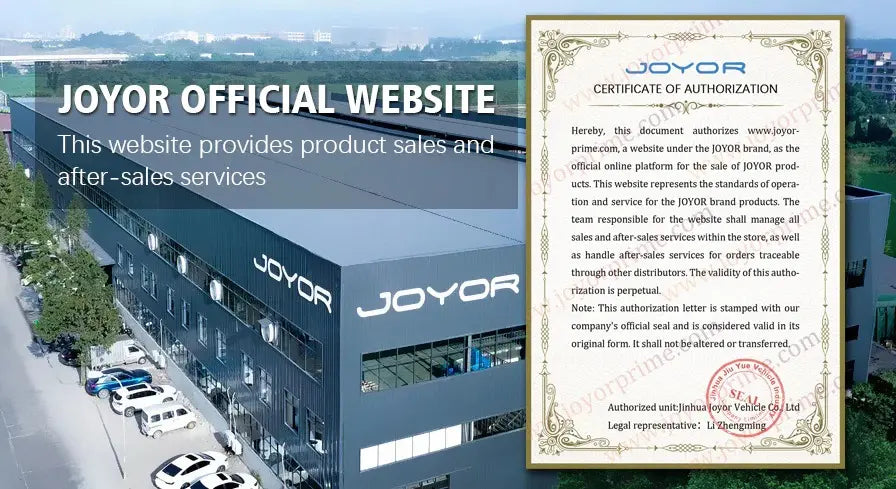
- Buy through an authorised seller
- Keep your order confirmation and proof of purchase
- Follow model-specific charging and maintenance instructions
- Use original or model-compatible replacement parts
- Contact support promptly if you notice a technical issue
Your battery is a long-term component, not necessarily a first-year expense. Proper charging and storage habits can help preserve battery health and postpone replacement costs.
Three Realistic Annual Ownership Scenarios
| Cost Category | Weekend Rider | Daily Commuter | High-Mileage Rider |
|---|---|---|---|
| Annual distance | Around 800 km | Around 2,000 km | 4,000 km+ |
| Charging | Low | Low to moderate | Moderate |
| Tyres and tubes | Low | Moderate | Moderate to high |
| Brakes and maintenance | Low | Moderate | Moderate to high |
| Insurance and compliance | Depends on location | Depends on location | Depends on location |
Example: Annual Charging Cost for a Daily Commuter
If you ride 2,000 km per year and your scooter uses an estimated 25 Wh of electricity from the wall per kilometre, your annual electricity consumption would be approximately 50 kWh. At €0.30 per kWh, that works out to around €15 per year for charging.
This is an illustrative calculation, not a fixed cost for every JOYOR model. Tyres, brakes, insurance and other ownership expenses should be budgeted separately.
The Weekend Rider
If you mainly ride for leisure, electricity costs are likely to be very low. Focus on safe storage, correct tyre pressure and healthy battery habits.
The Daily Commuter
For regular commuting, a Joyor can become a practical alternative to short car trips, ride-hailing or public-transport connections. Budget for normal tyre and brake wear as your mileage increases.
The High-Mileage Rider
If your Joyor is part of your everyday transport routine, preventive maintenance becomes especially valuable. Regular inspections and early replacement of worn parts can reduce unexpected downtime.
Can a Joyor Scooter Save You Money Compared With Other Commutes?
A Joyor scooter can offer strong value when it replaces frequent short paid journeys. Compare your annual scooter costs with the transport it may replace:
| Alternative | Costs to Compare |
|---|---|
| Short car trips | Fuel, parking, maintenance, insurance and time |
| Ride-hailing | Cost per trip × weekly frequency |
| Public transport | Monthly pass, first/last-mile connections and flexibility |
| Walking or cycling | Time, distance, weather and physical effort |
The strongest value usually comes when your Joyor replaces frequent short paid trips—not when it sits unused for most of the year.

How to Keep Your Joyor Running Costs Lower
- Keep tyres at the recommended pressure.
- Follow the charging and storage guidance in your model manual.
- Clean and dry your scooter after wet or dirty rides.
- Check brakes, lights and folding components regularly.
- Address unusual sounds or changes in handling early.
- Use original or model-compatible replacement parts.
- Store your scooter securely to reduce theft risk.
Frequently Asked Questions
How much does it cost to charge a Joyor electric scooter?
It depends on your battery capacity and local electricity rate. Multiply the battery capacity in kWh by your electricity price per kWh to estimate the cost of a full charge. Your yearly cost then depends on how far and how often you ride.
What are the main running costs after buying a Joyor?
Charging is usually a small part of the total. The costs most likely to vary are tyres or inner tubes, puncture repairs, brake wear, optional accessories and any insurance or registration required where you ride.
How often does a Joyor scooter need maintenance?
Check tyre pressure, braking response and visible bolts before regular rides. A monthly inspection of tyres, lights, cables and the folding mechanism helps you spot normal wear early.
Should I budget for a replacement battery in the first year?
For most riders, a replacement battery is a long-term consideration rather than a typical first-year cost. Follow the charging and storage instructions for your specific Joyor model to support battery health over time.
Do I need insurance or registration for my Joyor scooter?
Rules vary by country, state, region and city, and may depend on how the scooter is classified locally. Check current requirements for insurance, registration, speed limits and permitted riding areas before using your scooter.
Find the Right Joyor for Your Routine
Consider your commute distance, local terrain, storage options and riding needs before choosing your next electric scooter.
Explore Joyor Electric Scooters →